
Tampilkan postingan dengan label Kebijakan Publik. Tampilkan semua postingan
Tampilkan postingan dengan label Kebijakan Publik. Tampilkan semua postingan
Minggu, 13 September 2020


Rabu, 04 Desember 2013
Corruption Perceptions Index 2013
Corruption Perceptions Index 2013
Corruption Perceptions
Index 2013
The Corruption Perceptions Index 2013 serves as a reminder
that the abuse of power, secret dealings and bribery continue to ravage
societies around the world.
The Index scores 177 countries and territories on a scale
from 0 (highly corrupt) to 100 (very clean). No country has a perfect score,
and two-thirds of countries score below 50. This indicates a serious, worldwide
corruption problem.
Hover on the map above to see how your country fares.
Hover on the map above to see how your country fares. - See more at:
http://www.transparency.org/cpi2013/results#sthash.f3vikl6U.dpuf
Hover on the map above to see how your country fares. - See more at:
http://www.transparency.org/cpi2013/results#sthash.f3vikl6U.dpuf
Jumat, 24 Februari 2012
Korea Begins, Leads, and Becomes Green
 |
| US Secretary of State Hillary Clinton gives a speech during the OECD's 50th Anniversary Forum held on May 25, 2011 in Paris, France. On the same day, the OECD adopted Korea's Green Growth Declaration. (Photo: Gonggam Korea) |
The President proposed his ‘Low Carbon Green Growth’ vision during his speech on Korean National Liberation Day in 2008, during his first year as president. He emphasized that Korea can seek a way out of the economic crisis with green technology and eco-friendly policies by finding the potential of the environment and economy and making them the driving force of future growth.
Since his announcement, Korea has become a leading country of green growth. The United Nations Environment Programme (UNEP) introduced Korea's national strategy for green growth in its report Global Green New Deal in February 2009, as an example meeting the requirements of the Green New Deal. International organizations and media also have paid attention to Korea’s green policy.
The Korean government established the Five-Year Plan and Low Carbon Green Growth National Strategy to meet the objectives of the policy, strategies, and major projects of green growth. It also enacted the Framework Act on Low Carbon, Green Growth covering all green growth policies for climate change, energy, and sustainable development.
The Korean government established the Five-Year Plan and Low Carbon Green Growth National Strategy to meet the objectives of the policy, strategies, and major projects of green growth. It also enacted the Framework Act on Low Carbon, Green Growth covering all green growth policies for climate change, energy, and sustainable development.
The objectives of the five-year plan will be achieved by 2013: to become one of the four major producers of green cars, to increase the export of green products by 15%, to secure an 8% market share of green technology products in the world market, and to achieve a 3.8% penetration rate of bicycles in traffic. Based on these goals, the government is aiming to become one of the seven leading nations of the green policy by 2020.
The Korean government also has endeavored to reinforce international competiveness in major green industries including new energy, renewable energy, and smart grids. Korea held the inaugural executive committee meeting of the International Smart Grid Action Network (ISGAN) in June 2011, to great success. In addition, Korea is planning a 10.2 trillion won wind farm off the southwest coast of the nation by 2019. By 2014, it will begin with an initial 400 billion won (USD 355m) 100MW demonstration project. The government also has established a comprehensive national plan to promote wind, bio, renewable, and new energies.
Since the announcement of the vision, Korea also has focused on investing in new and renewable energies. As a result, the amount of exports related to new and renewable energies recorded USD 4.5 billion in 2010, showing significant progress in industrial indicators such as market size and employment in the new and renewable energy industries.
The penetration rate of new and renewable energies has steadily increased, with an annual rate of 6.65. The penetration rate of solar photovoltaic energy has exceeded its target, entering the world’s top ten with the accumulated penetration of 6,800,400 TOE. In order to foster the new and renewable energy industries, the government recently introduced the Renewable Portfolio Standard (RPS), a regulation that requires the increased production of energy from renewable energy sourcessince 2012. It also plans to double the size of energy R&D by 2015 compared to its size in 2011.
The administration has set a goal to create a new driving force for growth and examined similar previous projects from their starting point. The administration saw that the more unstable economic environment a country has, the more support should be given to growth industries to build an advanced economy. The government then started fostering a growth industry that will lead economic growth in the future.
The government has set different goals for each industry to enable them to create a new driving force of growth; it set the objectives of the industries that currently have a competitive edge such as semiconductor, shipbuilding, display, automobile, and mobile phone industries while setting the objectives of infrastructure industries such as energy, consulting, and financial industries to improve the competitiveness in their fields.
Moreover, the government enacted the Science Belt Special Law in April 2011, establishing legal and institutional bases to establish the International Science-Business Belt, a proposed industrial complex dedicated to science.
It also founded the Institute for Basic Science (IBS) to conduct research exclusively in basic sciences. Starting from 25 research groups in 2012, it will expand to 50 research groups employing 3,000 researchers by 2017. Currently, the IBS is considering a project for building a heavy ion accelerator in the institute.
The government also has established legal and political footing to create, use, and protect national intellectual property such as industrial property, copyright, and brands. Enacting the Framework Act on Intellectual Property in May 2011, it launched the Presidential Council on Intellectual Property to conduct the deliberation, control, and inspection of policies and strategies related to intellectual property as a government organization at large.
koreaittimes.com Thursday, February 23rd, 2012
Rabu, 22 Februari 2012
RIM finally sets up BlackBerry server in Mumbai
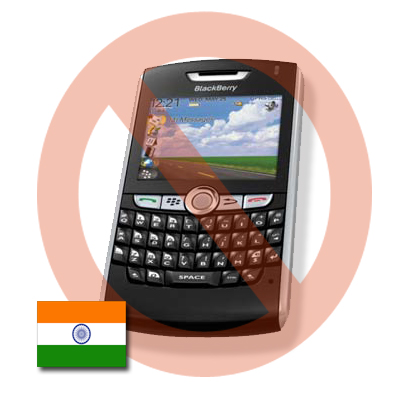
Research In Motion (RIM) has finally set up a server in Mumbai, acceding to requests by Indian government to access data on its BlackBerry enterprise servers, says report.
Citing a presentation made at the office of the Home Secretary, the Times of India reported Monday that the BlackBerry servers were inspected by a team of officers and permission to directly access the data for lawful interception was expected to be issued shortly.
The presentation also noted that the Department of Telecom has ordered Finnish phonemaker Nokia to set up a similar server in the country. In the past, RIM had been reluctant to allow India to monitor its enterprise servers. In 2010, the government even warned that it will ban BlackBerry service in the country if RIM does not loosen up on its security.
However, the threat was not carried out as the Canadian phonemaker presented various proposals to allow the government to monitor its users' communications, among one of the suggestions was to install a server in India.
The Times of India report noted that licensing conditions in India dictated that service providers need to have a mechanism to allow security agencies to intercept any conversation or message of any subscribers when required. India had been pressing RIM to do so as security agencies had pointed out that such closed platforms could be used by terrorist groups.
zdnetasia.com
The presentation also noted that the Department of Telecom has ordered Finnish phonemaker Nokia to set up a similar server in the country. In the past, RIM had been reluctant to allow India to monitor its enterprise servers. In 2010, the government even warned that it will ban BlackBerry service in the country if RIM does not loosen up on its security.
However, the threat was not carried out as the Canadian phonemaker presented various proposals to allow the government to monitor its users' communications, among one of the suggestions was to install a server in India.
The Times of India report noted that licensing conditions in India dictated that service providers need to have a mechanism to allow security agencies to intercept any conversation or message of any subscribers when required. India had been pressing RIM to do so as security agencies had pointed out that such closed platforms could be used by terrorist groups.
zdnetasia.com
Selasa, 14 Februari 2012
Shanghai extends immigration auto-clearance

Shanghai, China’ biggest city and one of the most vibrant, plans to extend its electronic immigration channels to residents of Taiwan by end of this year. There are more than 500,000 Taiwan residents who live and work in Shanghai and nearby cities. Every year, more than one million journeys are made by Taiwanese residences through Shanghai’s immigration checkpoints.
The auto-clearance system is currently only available to Hong Kong and Macau residents who possess Chinese nationality.
The Pudong Exit-Entry Frontier Inspection Station (PEEFIS) started installing the electronic gates in December 2008 in order to launch auto clearance services for Hong Kong and Macau residents during Shanghai Expo. The 10 electronic channels allowed Hong Kong and Macau residents who hold “Mainland Travel Permit for Hong Kong and Macau Residents” to pass immigration within six seconds.
Hong Kong and Macau continued to have separate immigration systems after British and Portuguese governments handed the sovereignty of the two territories to China in 1997 and 1999 respectively. Residents of Hong Kong and Macau who have Chinese nationality are issued with the travel permit, allowing them to enter Mainland China easily.
The auto-clearance system was tested to be ready in July 2009, and officially launched on 1 Jan 2012, when Shanghai Expo opened its doors. In addition, PEEFIS is also undertaking a major overhaul of its hardware infrastructure, in particular IT hardware and the surveillance system. The upgrade is expected to complete by the end of February.
futuregov.asia
Selasa, 31 Januari 2012
Transparency Is A Nice Theory but A Difficult Practice
 |
Last Saturday a group of concerned and web-savvy Italian citizens met in Rome to give birth to a new political party (named “Insieme Italia”, i.e. “Italia Together”). The new party aims at “building shared strategies and actions to get out of the social and economic crisis that besiege the country”
Associates have to accept a code of ethics that stipulates their independence from existing political parties and other concerns that might distract them from defending collective interests. Transparency and participation are said to be at the core of the new party to make sure ideas and plans are developed collegially.
Interestingly enough, the party’s brand new web site and Facebook page do not carry any information about the background for this idea, who the actual promoters and current roles are, nor is there any evidence yet that this information will be released any time soon. Although this is a small example, it says a lot about the difference between preaching and adopting transparency.
While some caution in embracing full transparency by established organizations is understandable (as they try to understand the potential disrupting impact on the mission, operation and structure), such caution is much more surprising in a brand new entity that claims its difference from previous ways of doing politics and centers its messaging around participation.
Interestingly enough, the party’s brand new web site and Facebook page do not carry any information about the background for this idea, who the actual promoters and current roles are, nor is there any evidence yet that this information will be released any time soon. Although this is a small example, it says a lot about the difference between preaching and adopting transparency.
While some caution in embracing full transparency by established organizations is understandable (as they try to understand the potential disrupting impact on the mission, operation and structure), such caution is much more surprising in a brand new entity that claims its difference from previous ways of doing politics and centers its messaging around participation.
Transparency is a great tool, but comes with a high price: the loss of control. If our clients, citizens, voters see through our walls as in a glass house, so that they can tell us what is wrong, what to change and who to change, are we ready to take their advice? Are we ready to disrupt our plans? Are we ready to step aside? The common wisdom is that social media is disruptive only for traditional organizations.
The reality is it can disrupt each and every one of us. Are we willing to listen? UPDATE: Less than 48 hours after its creation the Facebook page of the newly formed party “Insieme Italia” has removed the ability for Facebook users to post comments, and allows only posts from the administrator, claiming that this measure was requested by Facebook Inc. Here goes transparency.
by Andrea Di Maio | January 30, 2012 |http://blogs.gartner.com
Kamis, 19 Januari 2012
How e-government can shape competitiveness

Estonian President Toomas Hendrik Ilves talks to T Magazine about two key elements of his country’s competitiveness: the use of IT to create effective e-government infrastructure and the institution of a flat income tax.
Interview by Dr. Paul Kielstra
T Magazine: In your experience, how does e-government affect the way that government functions?
President Ilves: The most fundamental benefit is transparency. We have been living with that for 15 years, but you forget how rare it is. I was at an UN General Assembly meeting, listening to various heads of state saying that they had put expenditure [data] online. But that is only the very beginning of e-government.
How does it affect the work of government officials?
It has basically freed up a lot of civil servants. You don’t have people doing rote things that can be done by machines, which is important because our fundamental problem is our size. In my work, I’m not a passive recipient of e-government. Outside of Northern Europe and the United States, people don’t necessarily understand at the level of head of state that e-government is about the way people operate, not the technology. People who do understand this are those currently in their 30s.
I’ve been using an Apple Computer since 1983. The government was paperless by 1999. It’s not a big deal. I have a Facebook page, but that is trite. Anyone can do that. E-government has nothing to do with people in government having computers. It means you do things completely differently. For example, our health records are all on line. You are defrocking the priesthood of the medical profession.
The patient owns his own data in the marketplace. It’s not just government, though, it’s more a matter of the attitude of society. For example, I’m shocked when I have to pay to use Wi-Fi. In Estonia, it’s just there. My daughter sees what her homework is on e-school. It is all very normal when you are living there. For it to work, you must have a completely reliable ID system so that you can sign legal documents.
The other thing you need is a decentralized data system, not just one big computer. You have access to everything as the citizen; police can access your police records; doctors can access your health records; but the tax authorities, say, cannot access your health records. You are the owner of the data. Another reason it works is that, basically people think it’s cool.
After nearly two decades of experience with the flat tax, what do you see as the benefits and drawbacks of such a system in practice?
The flat tax has been adopted by many countries. Some places it has worked, some it hasn’t. The real benefit is in compliance, which comes from having a very simple computer-based tax return. This is where we differ from all kinds of countries.
Where there are complicated tax schemes, people don’t pay taxes. There are not any major down sides. If you have a complex tax system and 37 million loopholes, so that you can make billions and still pay low taxes but the average guy pays whatever percent, then maybe the flat tax is more equitable than a progressive tax. An empirical study should be done. The problem is that many people like the idea of progressive taxes and soaking the rich, but it doesn’t really happen.
Estonia has a reputation for being one of the least corrupt countries in Eastern and Central Europe. How has your country been able to get a handle on this issue?
This is intimately related to e-government. It is the result of transparency. If you have e-tenders, for example, it is much harder to be corrupt. The only place where we have a corruption problem is at the level of local governance, where the national parliament can’t legislate transparency. How much transparency you have there is a local decision. Preconceptions also need to change. The image has existed for 70 years about Eastern Europe, that its countries are poor, backward and corrupt. It’s time to get over it. Look at Estonia and look at some other European countries [and compare] the corruption levels, debt, and deficit spending.
Estonia adopted the Euro at the start of this year. Was this a case of bad timing or do the long-term benefits still outweigh the risks?
We’ll see what happens with the Euro zone, but for the short-term the benefit for us has been that it meant the re-establishment of investor confidence in Estonia. It is kind of like a Good Housekeeping Seal of Approval. [In particular,] it has eliminated the threat of devaluation, which was the biggest threat of all, a forced devaluation which would have wiped out people’s [savings].
What lessons does your country’s recent experience of adopting austerity measures hold for other states?
Do what you think is doable. One of the things we did have, which others might not, was the equivalent of 10% of GDP in our reserves. This is a big buffer and we didn’t have to go to the IMF. I don’t know how to tell people to save, other than to say “save”. Also, the experience of life under the Soviet Union does make it easier. It is still in historical memory. Anyone over 25 in Estonia remembers the Soviet Union and how awful it was. Compared to that, [austerity] isn’t so bad.
Estonia recently dropped to 24th position from the 18th in the World Bank’s Doing Business Report. Was this fair?
They forgot to convert the currency. We have an open economy and are very dependent on exports. When reputable sources give stupid news, we suffer. You are about the 17th person who has asked me about that. The World Bank was completely irresponsible. Can you imagine if you did this in a company or a government?
This article was first published in Issue 06 of Ernst & Young´s T Magazine publication which will be available January 25 2012 on this website.
http://tmagazine.ey.com
Kamis, 12 Januari 2012
Jordan govt to set up firm to finish national broadband grid

Jordan's government said that it will establish a company to complete the National Broadband Network project, The Jordan Times reported online. The new firm will be owned by the government, by telecoms operators and by ISPs. Minister of Information and Communications Technology Bassem Roussan said that the ministry will complete the required legal measures and refer them to the Cabinet for final approval next week in order to go ahead with the creation of the firm
Roussan said work on the project halted in 2008 when Jordan was hit hard by the global financial crisis. He said the completion of the project is a must as many e-government services, e-curricula for schools and telemedicine providers rely on the network.
Roussan said that the scheme will be finished in a maximum of three years. Residents of rural areas will then have access to the internet at schools connected to the network. According to the ICT ministry, about 35 percent of the project has been completed to date at a total cost of USD 36 million.
Roussan said that another company will be set up to promote e-government services and look into other e-services needed by citizens. This firm will be 51 percent-owned by the government with private sector companies owning the rest.
telecompaper.com
Rabu, 11 Januari 2012
Broadband operators are at risk of becoming dumb–pipe providers

LTE is rapidly gaining momentum in the Middle Eastern region. With new LTE deployments and commercial network launches that took place in Saudi Arabia from Zain Saudi, STC, Mobily, and the UAE from Etisalat, LTE subscriptions will grow at an average annual growth rate of 200 per cent. Global LTE subscriptions are racing ahead of initial expectations. They have already passed 3.7 million in the third quarter of 2011, spanning over 36 worldwide networks.
The deployment of FTTH services has been steadily growing and boasting speeds of up to 1Gbps, as in the case of the incumbent operator STC in Saudi Arabia. Also, the take-up of IPTV services is noticeable, with the focus of operators such as the Saudi incumbent on international expansion.
Faster speeds and increasingly affordable broadband access has fostered development of a digital economy, encompassing government services (e-government), e-health, e-education and e-commerce. In Qatar, for instance, strategies and specific initiatives have been launched in the areas of e-commerce, e-government, e-health and e-education.
The regulator has also unveiled plans to develop Qatar as a digital media hub, recognising the current underrepresentation of Arabic content on the Internet and hence the potential for growth. Kuwait has also taken steps to develop a digital economy; national level policies for e-health and e-government have been developed, with a number of services available online. For countries that have been lagging behind in the rollout of broadband services like Lebanon, the market is set to enter a new growth phase centred on mobile data services after the two mobile network operators launched the overdue 3G services in 2011, deploying HSPA+ network infrastructure. DSL speeds have also been increased to a minimum of 1Mbps.
Are broadband networks finally catching up with the technological aspirations of consumers, businesses and public bodies?
Reliable and fast broadband networks are paving the road for a new breed of technological solutions based on the so-called Cloud Computing offers demanded by consumers, businesses and public bodies. Cloud Computing technology is being widely adopted worldwide due to its low cost, scalability, security, etc.
Cloud Computing solutions rely on fast broadband access between the end-user and the cloud in order to provide full functionality and features, in addition to remote management. It is noted that in developed countries, cloud computing is growing fast due to the availability of high-speed and robust broadband connections.
In developing countries, cloud computing is a great tool for development in multiple sectors such as education, industrial, financial and telecommunication; however, these goals cannot be achieved where broadband is not fast, reliable and secure. Yet, we note the landing of several broadband submarine fibre-optic cables in MEA and Africa (e.g. IMEWE, WACS, ACE, etc) promises to bring increased connectivity to the region
Will consumers ever fill their super-fast broadband pipes?
Consumers tend to demand more capacity for cheaper prices. Trends show that they are willing to accept offers for new and innovative services. On the operators’ side, as owners of the super-fast broadband pipes, the challenge is to find those services and market them to the “right” customers.
Network providers and operators have an abundance of customer data that enables them to collect a variety of information on user behaviour. Such information could be utilised in building commercial offers, leading to the marketing of the right products to the right customers and eventually raising the demand for and the consumption of broadband pipes.
Service providers are beginning, rightfully, to shift their focus from being mere voice and Internet-pipe providers to working on the right partnerships with application/content providers, in an attempt to tap the potential revenue associated with new, Internet-based services. This is becoming a necessity for them in order to compete in the market and continue to afford the CAPEX and OPEX expenditures required to keep up with increased demand for network upgrades and faster broadband pipes.
What do you think will prove to be the killer application that creates demand for super-fast broadband?
The definition of ‘super-fast broadband’ varies from one country to the other. In some countries such as the UK, super-fast broadband services should be able to deliver more than is currently possible over existing copper telephone lines (i.e. faster than ADSL2+, which tops out at 24Mbps), whereas in other countries, such as South Korea, the speed is 100Mbps. I am not sure as to what will be considered the killer application.
To some, Internet Protocol Television (IPTV) is gaining momentum as an important application for the next-generation Internet and will provide exciting new revenue opportunities for service providers. Internet Protocol television (IPTV) provides digital television services over Internet Protocol (IP) for residential and business users at a lower cost. These IPTV services include commercial grade multicasting TV, video on demand (VoD), triple play, voice over IP (VoIP), and Web/email access, well beyond traditional cable television services.
IPTV is a convergence of communication, computing, and content, as well as an integration of broadcasting and telecommunication. To others, over-the-top (OTT) video services such as YouTube and Facebook are more popular.
These services refer to video, television and other services provided over the Internet rather than via a service provider’s own dedicated, managed IPTV network. OTT is delivered directly from provider to viewer using an open internet/broadband connection, independently of the viewer’s ISP, without the need for carriage negotiations and without any infrastructure investment on the part of the provider.
What technical challenges lie ahead for the broadband industry?
In developing countries including Lebanon, the main technical challenge for the broadband industry is to cater for advanced backbone and access infrastructures in order to cope with the increasing demand for higher broadband capacities.
Building a robust national and access infrastructure including FTTx requires significant public and private investments. Often public funding and/or subsidies are needed to maintain acceptable Return On Investment (ROI) for the private sector. Moreover, serving rural areas continues to be a challenge.
New solutions are being adopted such as public access femtocells, which are cost effective and easy to integrate, especially for remote areas where the backhaul connection could be provided via DMW or satellite. As mentioned earlier, service providers and operators should tap the application/content business through partnerships and/or acquisitions of existing application/content providers. while benefiting from the operators’ visibility on customer behaviour to create innovative products and services.
How big a challenge does over-the-top video pose to broadband operators and networks?
Broadband service providers and operators are at risk of becoming dumb–pipe providers utilised by so-called over-the-top (OTT) application/content providers such as YouTube, Google, Facebook, etc.
Even though revenues from OTT are small in comparison to those from new IPTV service offerings, they still represent a missed opportunity for service providers. Some suggest that the best approach for operators is to negotiate partnerships with OTT providers.
One way to do that would be to charge for content delivery and guarantee quality of service for certain types of OTT traffic. This could be paid for by either the content provider or by the end-user. However, it remains questionable whether giant OTT providers are willing to enter into such agreements with much smaller service providers.
How can network operator’s best monetise their investments in super-fast broadband networks?
Again, with the rise of application/content providers, network operators may become mere data “pipe” providers, selling only the broadband capacity with no significant ROI. Network operators have many options to avoid such a situation.
The first option is to avoid competition with those providers by delivering an extra layer of value that only they can provide. This layer is based on using data analysis, such as Deep Packet Inspection (DPI), which leads to “customer experience visibility”, resulting in huge opportunities in the advertising world such as targeted ads.
The second option is to leverage the network policy capabilities the network operators have, to deliver an enhanced video streaming service for partners that want to guarantee a certain QoS for their customers.
A revenue sharing model might be used in this case. The last option is to benefit from the synergy created by the partnership with (or the acquisition of) existing application/service providers, allowing the creation of dynamic providers that possess customer visibility and application/content exposure.
How can telecoms regulators further support the MEA region’s burgeoning broadband business?
Governments and telecom operators should promote policies that encourage partnerships, especially in the rollout of services like FTTH. Also, because of the huge cost in the rollout of fibre infrastructure, some governments subsidise investments in fibre infrastructure in the same way they do for other utilities like roads and highways, as is the case in Australia and USA.
In addition, regulators and policy makers may consider transforming existing universal service programs into programs for digital inclusion that support broadband services for all citizens. Policy makers and regulators have several options to provide incentives for the private sector to invest in broadband, such as by adopting enabling policies, simplifying licensing regimes (licensing regulation can be simplified and a unified licensing framework can be introduced with all services unified under a single license or concession), making available more spectrum, reducing regulatory obligations and barriers to broadband build-out and access to broadband networks (e.g. by adopting rules or promoting policies and incentives that encourage infrastructure sharing, particularly involving passive sharing of towers, ducts and other support facilities), and offering tax incentives (reduce taxes on services, devices and equipment which will in turn increase penetration levels and pave the way for increased demand of broadband services).
Policy makers and regulators should also stimulate innovation and the development of applications and services by nurturing the creation and adoption of applications, services and digital content (for instance, the wide diffusion of e-government and e-finance applications and services will considerably raise consumer demand for broadband). Moreover, private investment in research and development (R&D) should be encouraged by all possible means.
It is also essential to protect intellectual property, as this empowers researchers and inventors to lead the way to a smart and innovative digital economy. Innovation can be encouraged through intellectual property regimes that balance monopoly use of inventions with building a rich public domain of intellectual materials.
Regulators and policy makers have a role to play in promoting a first-class training system in all countries to provide creative human resources. It is crucial to facilitate investment in all forms of education, notably in the area of R&D, ICT knowledge transfer and the development of digital applications and content (in particular those related to the local culture).
Sufficient and sustainable funding should be provided to universities, computer labs and other public research institutions, leveraging international partnerships when possible and advantageous.
Dr. Hoballah will be speaking at the Broadband World Forum MEA 2012 event, taking place in Dubai in March 2012.
.telecoms.com
Senin, 26 Desember 2011
More 1M’sia Products, Services In The Pipeline: PM
 |
| NJOI , TV Satelit Gratis bagi segenap rakyat Malaysia |
The government plans to roll out more 1Malaysia products and services for the rakyat, Prime Minister Datuk Seri Najib Abdul Razak announced.
Speaking at the launch of the country’s first free satellite TV station called NJOI, Najib said the government is committed to ensuring the people experience the benefits put in place by his administration.
“This free satellite TV launched today is truly a 1 Malaysia product for the people,” Najib said after launching NJOI at the PPR Cochrane flats.
“For the good of the rakyat, God willing, there will be more of such products and services in time to come,” he said. Najib said more than 50,000 households, especially from the lower income group, will soon enjoy the services of NJOI, made available through Astro in collaboration with the government’s e-Kasih programme.
NJOI will feature 18 TV channels, including Bernama TV and 19 radio stations. Astro will distribute 50,000 NJOI decoders and satellite dishes to recipients under the e-Kasih programme for free. “1Malaysia is not just a philosophy to guide us in nation building,” Najib said. “It is also used to develop products and services that will benefit Malaysians of all walks of life.
All Malaysians must be able to enjoy the benefits and facilities provided by the Government,” he added. On Sunday, Najib launched the first internet protocol television station called 1Malaysia TV which can be accessed online. The 1Malaysia TV, Najib said, was to disseminate fast and accurate information in real-time to the people so that they would not have to rely on other news sources which are often inaccurate and false.
The NJOI service is aimed at narrowing the digital gap, especially among the rural folks and those from the low income category. NJOI services will be made available to all customers by the first quarter of next year. Customers will only need to purchase the decoder and satellite dish without having to pay a monthly subscription fee like conventional Astro users. Meanwhile, Astro’s chief executive officer, Datuk Rohana Rozhan said Astro would introduce NJOI in three phases.
She said in the first phase, Astro would distribute 50,000 NJOI decoders and satellite dishes to recipients under the eKasih programme. “The second phase involves making the NJOI service available to all by the first quarter of 2012, where a customer can purchase the decoder and dish, install them and start to enjoy the services.
“In the third phase, NJOI customers can choose to buy additional content at their own discretion, from a menu of product and services through a prepaid mechanism, which will be available by the middle of 2012,” she said at the launch of NJOI here today, reports Bernama. Rohana said NJOI’s customers could enjoy the 37 TV and radio services such as Astro Tutor, Astro Vanavil, Astro Prima, Astro Oasis, Astro Awani, Bernama TV, Astro AEC, Jia Yu, Makkal TV, iView, iMus, TVi, TV1 and TV2. She also said Astro planned to offer its services or selection of its services via smart devices for its existing customers. “This will be made available in the second quarter of next year,” she said.
.thesundaily.my
Jumat, 23 Desember 2011
Russia's Government Rethought Its Plans For Internet In 2011-2012

Russia's government has released a new edition of the state run program "The Information Society" regarding the use of the Internet in years 2011-2012. As Kommersant newspaper reports, the new edition differs from its previous version by the shift of Russia's official interest in the web space. Instead of the e-government, "The Information Society" strongly stresses the need of finding solutions for problems of the Russian society which uses modern technologies.
One of the priorities of the new edition of the program "The Information Society" is the low quality of Internet connectivity in Russian households. As a goal, this new edition sets "the compensation of aging of telecommunication infrastructure", wich means that there might be new requirements in 2012 for telecommunications industry and Internet providing companies.
The often discussed and vaunted e-government supported by the President Medvedev still has its place in the program, although sharply reduced practically to "filling out forms" to receive a public service.
Sadly enough, the "universal digital map", the "electronic voting system" and web cameras in each precinct as recently promised by Vladimir Putin are not mentioned in the program.
publiciti.ru
Selasa, 20 Desember 2011
Over 1 milion people register on portal of public services in Russia

More than 1.3 million people have registered on the unified portal of public services launched two years ago.
The portal has proved highly effective and the number of its visitors increases 100,000 monthly, Rostelecom Vice President Alexei Nashchekin said.
The portal offers 140 federal public services and 371 regional public services in electronic form. All in all, it gives information on more than 34,000 public services.
Information kiosks are installed for people who have no Internet at home. “Up to date, 520 kiosks have been installed in 30 regions,” Nashchekin said. “Thirty-eight regions are connected to the e-government system and work is underway to connect another 34 regions,” he said. The Russian government plans to install over 100,000 information kiosks in regions by 2015 for the provision of public services in electronic form, Minister of Mass Communications Igor Shchegolev said earlier.
Information kiosks are installed for people who have no Internet at home. “Up to date, 520 kiosks have been installed in 30 regions,” Nashchekin said. “Thirty-eight regions are connected to the e-government system and work is underway to connect another 34 regions,” he said. The Russian government plans to install over 100,000 information kiosks in regions by 2015 for the provision of public services in electronic form, Minister of Mass Communications Igor Shchegolev said earlier.
“They become popular right away and people line up not to operators but to the kiosks,” the minister said. In order to eliminate waiting lines, the government plans to install more information kiosks, including at post offices. Unlike a payment terminal, an information kiosk has a printer and a scanner and can print out any questionnaire or send a copy of a document to the relevant agency.
Payments can be made both in cash and with a bankcard. The universal electronic card to be issued from 2012 will provide access to such services.
Information kiosks will also have access to the portal of public services.
“It would be logical to assume that the mobile phone will become the next means of access,” Shchegolev said.
Almost 30 government agencies are presently connected to the system of electronic services, and work is underway to connect regional segments.
The government has simplified the registration procedure on the unified portal of public services, and now a person will no longer have to wait for an access code for entering his account to be mailed to him.
Rostelecom, the portal operator, is working to further simplify the registration process, Valery Zubakha, e-government project manager, said.
“We are working to improve the system of identification,” he said.
At present, a person has to fill in a questionnaire at the portal and then obtain an access code for registration, which is only mailed and can arrive in several weeks.
“There have been many complaints about this procedure, which is quite long. We are trying to transfer the function of issuing access codes to the customer service centres at Rostelecom and regional communication companies [from the state-owned holding company Svyazinvest],” Zubakha said.
The centres will also issue digital signatures to individuals and legal entities.
The new system should replace the existing one.
The web portal of public services is considered to be a key element of the electronic services project.
About 360 million inquiries from citizens to government agencies are registered every year. “And this despite the fact that 17 percent of people in Russia do not go to government agencies at all,” Shchegolev said.
The minister believes that the implementation of each stage of the project will reduce the number of visits to various government offices by one-fifth. This will also save work time because people will no longer have to ask for a day off in order to visit government offices. "We hope very much for cooperation with all those who have used this portal," Shchegolev said, adding that the portal had a special feedback section where visitors can leave a message, suggestions or complaints.
Prime Minister Vladimir Putin stressed the need to build a system of public and municipal services in electronic form within the next several years.
In his opinion, “the biggest progress can be seen where regional leaders deal with the issue themselves and understand its importance.
But if regional authorities do not give it enough attention, we will think that they do not want to improve the quality of services and streamline bureaucracy, and do not think about how comfortable people feel.” The federal target e-government programme, previously called e-Russia, was launched back in 2002.
It was designed to take the country to a new level of information technologies. One of its components was the creation of so-called multifunctional centres. The main principle of multifunctional centres is that all documents and certificates are processed and issued in one place.
A centre will be opened to visitors at least 60 hours a week. A centre should be able to process at least four people per officer an hour. Waiting time should not exceed 15 minutes for the receipt of information, 45 minutes for the submission of documents and 15 minutes for the receipt of documents.
The strategy for the development of information society up to 2015 was adopted in 2008.
Rostelecom has been named the sole operator of the e-government project.
“There is no end to the project and it will evolve permanently,” Rostelecom telephone company Director-General Anton Kolpakov said.
He believes that this evolution will result in a “powerful and all-embracing document processing system” in Russia.
The unified web portal of public services launched in December 2009 accounts for only 10-15 percent of all work to be done under the e-government project, Kolpakov said.
.itar-tass.com
.itar-tass.com
Senin, 19 Desember 2011
QATAR INTRODUCES ICT ACCESSIBILITY POLICY
 |
| Hessa Al -Jaber |
To make ICT more accessible for persons with disabilities, the Supreme Council of Information and Communication Technology (ictQATAR), has introduced the country’s first eAccessibility Policy.The policy aims to ensure people with disabilities in Qatar have equal access to the technologies that can enrich their lives, and covers a range of e-accessibility issues, including websites, telecommunications services, handsets, ATMs, government services, access to assistive technologies and digital content.
The policy is effective immediately and ictQATAR will oversee the implementation of the policy across sectors and monitor progress.
“For many people with disabilities, information and communication technology can be a tremendously empowering and enabling tool, however, if these technologies are not fully accessible, they may actually become tools of exclusion or isolation.
Qatar’s eAccessibility Policy, which was developed in consultation with numerous stakeholder groups, will make Qatar one of the most progressive countries in the region in terms of bringing the benefits of technology to people with disabilities,” said Hessa Al-Jaber, ictQATAR Secretary General.
The primary provisions of the eAccessibility Policy include:
- Requiring telecommunications service providers to provide accessible handsets, user interfaces, relay services, special rate plans, emergency services and accessible public payphones where appropriate. Requiring public sector organisations to develop websites and mobile content that can be accessed by persons with disabilities.
- Requiring all public sector organisations, including government owned banks, to implement service improvements that will ensure that public access terminals/kiosks and ATMs are available at strategic locations and usable by people with low vision blindness, deaf or hearing impairments, physical disabilities and reading problems.
- Requiring Qatar’s Assistive Technology Center (Mada) to establish a fund to improve access to assistive technologies (AT) and services, encouraging the wide spread procurement of ATs, spreading awareness of the available services and benefits of ATs and providing demonstrations, special training and evaluations.
- Calling to action all producers and distributors of digital media in Qatar to improve the accessibility of their content through accessible eBooks, online information and special captioning for video programming. The full e-accessibility policy is available here.
.futuregov.asia
Rabu, 30 November 2011
MALAYSIA TO SET UP 4,000 WIFI VILLAGES BY 2012
 |
| osmanlee.com |
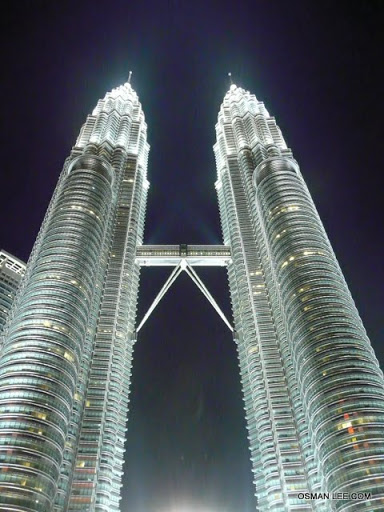
By the end of 2012, about 4000 WiFi villages will be set up nationwide as part of the Government’s initiative to bring the benefits of broadband to the citizens.According to Information, Communications and Culture Minister, Datuk Seri Dr. Rais Yatim, at present there are only about 1,400 WiFi villages in the country and are mostly found in Perlis, Sabah, and Sarawak.
“We are in the process of building electronic towers in Sabah and Sarawak, therefore our big enrolment drive to create Malaysia as an internet community is there now,” he said.
The average cost of the project for each village is about RM25,000 (USD 7,800) to RM 32,000 (USD 10,000). The villages would be provided with the normal computerising system with broadband facility which will be free of charge for the first three months, while a minimum of RM10 (USD 3) per month would be charged subsequently.
The WiFi village project is an important component in helping the Government realise its objective of becoming a high-income and high skilled nation driven by innovation and a knowledgeable society. The Government hopes that recipients of the facility will regard broadband as a necessity in their daily lives, not only as an unlimited resource to obtain useful information and as a means to connect with other people, but also in the conduct of their business and work.
The Minister added that in order to expand the use of the facility, an educational process in terms of sharing knowledge and experiences by relevant agencies are crucial to further increase the number and performance of online businesses in the country.
“What is lacking is the systematic educational system to teach our young and older generation how to do business online in a manner that it is a culture with great returns besides garnering confidence,” he said.
futuregov.asia
Jumat, 18 November 2011
ASEAN economic ministers adopt new regional cooperation framework

Economic ministers from the Association of Southeast Asian Nations adopted Wednesday fresh regional economic cooperation framework that would bring together the 10 ASEAN members, Japan, China, India, South Korea, Australia and New Zealand.
Indonesian Coordinating Minister for the Economy Hatta Rajasa told a press conference after the meeting in Bali that the ministers will recommend that ASEAN leaders endorse the so-called ASEAN Framework on Regional Comprehensive Economic Partnership when they meet on Thursday for a summit.
In their recommendation report, obtained by Kyodo News, the ministers say the framework involving ASEAN and its six "free trade area partners" should be created "with the view to ensuring that ASEAN maintains its distinct advantage that would enable it to play a central role in the rapidly changing regional economic landscape."
The report asks that the leaders of Brunei, Cambodia, Indonesia, Laos, Malaysia, Myanmar, the Philippines, Singapore, Thailand and Vietnam to mandate the establishment of three working groups on trade in goods and services as well as investment.
According to Rajasa, the framework consists of general principles of free trade areas that had been previously signed by ASEAN and its six FTA partners, including differential treatment for ASEAN's less-developed members such as Vietnam, Cambodia, Laos and Myanmar. He said other non-ASEAN countries could also become parties to the framework.
The ASEAN move reflects a deep concern among some member countries that the regional grouping could be sidelined by the U.S.-backed Trans-Pacific Partnership initiative, according to Rahmat Pramono, director for economic cooperation at Indonesia's Foreign Ministry.
The proposal also came up amid worries that the steps taken by four ASEAN members -- Brunei, Malaysia, Singapore and Thailand -- to join the Trans-Pacific Partnership could damage ASEAN's unity.
"Dynamic developments are taking place in the regional architecture, including the ongoing negotiations for the Trans-Pacific Partnership Agreement, the Free Trade Area of the Asia-Pacific and the expansion of the East Asia Summit to include the United States of America and Russia," the economic ministers' report says.
"ASEAN would need to respond in a timely manner to ensure its central role in the shaping of the architecture for East Asian integration," it adds. The Wednesday meeting also adopted the ASEAN Framework for Equitable Economic Development, which includes a set of guiding principles for inclusive and sustainable growth in ASEAN.
http://mdn.mainichi.jp
Rabu, 09 November 2011
World’s Worst Countries for Business

As the U.S. and Europe grapple with slowing growth, more businesses are turning attention to emerging markets for expansion and profits. Foreign direct investment (FDI) into countries such as Brazil, Russia, and Indonesia are at record highs, with Brazil attracting $48.4 billion dollars in 2010, an increase of 87 percent over 2009.
While it's difficult to resist the growth opportunities provided by emerging markets, running a successful business in many of these countries is far from easy.
We put together a list of the 10 most difficult countries to do business in from 50 of the world's largest economies. Our top 10 rankings are based on the World Bank's "Ease of Doing Business" study, which includes 183 countries.
The rankings take into account 10 leading indicators, such as the ease of starting a business, getting construction permits, paying taxes, and investor protection laws, to name a few. The 2010 FDI data are from the United Nations Conference on Trade and Development (UNCTAD), while the GDP numbers are from the World Bank. Our list includes some economic superpowers, as well as some minnows. Click ahead to find out which countries are the most difficult to do business in.
10. Argentina
2010 GDP: $388 billion
2010 FDI: $6.3 billion
Argentina is one of three South American nations to make the list of the worst countries to do business in.
Out of 10 key indicators for doing business, Argentina has one of the lowest rankings when it comes to acquiring a construction permit. It takes about one year to get a construction permit, compared with an average of about seven months for Latin American countries and the Caribbean.
Starting a business in Argentina takes 26 days, double the time it takes on average in Organization for Economic Co-Operation and Development (OECD) countries.
Argentina defaulted on its debt in 2002, which led to foreign investors fleeing South America's second-biggest economy. Since then, the government has enforced a number of measures to stem money flowing out of the country, such as nationalizing its $24 billion pension fund industry and limiting the purchase of farmland by foreigners.
Last week, Cristina Kirchner's government ordered oil and gas companies to repatriate all future export revenue, forcing miners to potentially increase costs stemming from foreign exchange and taxation. The move may make it harder for Argentina to attract foreign direct investment, which the UN estimates fell by 30 percent in the first half of this year.
9. Russia
2010 GDP: $1.5 trillion
2010 FDI: $41.2 billion
Russia may be one of the world's fastest growing economies, but it is also one of the most difficult places to do business in.
The country is the toughest place in the world for a business to get an electricity connection, taking nearly nine and half months — almost double the time it takes in the rest of Eastern Europe and Central Asia.
Russia's upcoming presidential elections have further derailed plans to reform the world's fourth biggest power market. Earlier this year, Prime Minister Vladimir Putin, who is running for president in 2012, said there would be no hike in electricity prices over the first half of next year, a move meant to appease voters ahead of the March elections.
Russian household electricity bills are among the lowest in Europe and industry experts say prices need to rise to fund reinvestment and growth in the sector. The lack of capital expenditure in the power sector is also stoking fears of a likelihood of more accidents and power outages like Moscow's blackouts last Christmas, which suspended flights and left thousands without power.
Russia also ranks near the bottom when it comes to cross-border trade. It takes more than three times longer to export something from Russia compared with the average for OECD countries. Trade with Russia may become easier after December, however, when the country is expected to finally become part of the World Trade Organization (WTO), 18 years after first applying to join the 153-member group. Russia is currently the largest economy outside the WTO.
8. Brazil
2010 GDP: $2.1 trillion
2010 FDI: $48.4 billion
Brazil is the world's eighth largest economy, and its GDP growth in 2010 was 7.5 percent, making it attractive for foreign investment. While this economic giant provides a huge opportunity there are also several major hurdles to doing business here.
Brazil has one of the highest tax burdens of any major economy, at around 37 percent of GDP.
Firms spend about 2,600 hours a year, equivalent to three and half months, filling tax forms in Brazil. Firms are charged a total tax rate of more than 67 percent, according to the World Bank, which is 20 percent higher than the average for the rest of Latin America and the Caribbean.
Another big issue facing businesses in Brazil is getting construction permits. Companies spend nearly 470 days completing 17 procedures to obtain a permit, which is over triple the time it takes on average in OECD countries.
Brazil is set to host the 2014 FIFA World Cup and the 2016 Olympics. But construction of stadiums and airport terminals for the events has been delayed amid accusations of government corruption. The country's Sports Minister Orlando Silva is under growing pressure to resign after more evidence emerged last month that he allegedly got $23 million in kickbacks for government contracts, for himself and the ruling communist party.
7. Indonesia
2010 GDP: $706.6 billion
2010 FDI: $13.3 billion
Indonesia, Southeast Asia's biggest economy, is one of three Asian countries to make the list of the world's worst places to do business in.
The country is one of the most difficult places to start a business. It takes one and half months to launch a business in Indonesia, nearly three and half times longer than the average for all OECD countries.
Getting electricity in the world's fourth most populous nation also takes 20 days longer than in the rest of East Asia and the Pacific.
Indonesia's infrastructure problems have long been blamed for hampering its growth.
Four out of its five busiest international airports are operating above capacity and about 15 million households have no access to electricity.
The country wants private investors to provide at least two-thirds of the $150 billion needed for infrastructure development in the next five years.
In July, French firms, including engineering heavyweight Alstom, pledged more than $2.5 billion in energy and infrastructure investments. In the same month, three Chinese companies expressed interest in investing about $3 billion to build ports, toll roads and railway tracks in the main Java island.
China, the world's biggest energy consumer, is keen to tap into Indonesia's abundant coal and other resources. Earlier this year, Chinese Premier Wen Jiabao pledged $9 billion in loans to support Indonesia's infrastructure development.
6. India
2010 GDP: $1.73 trillion
2010 FDI: $24.6 billion
India, the world's fourth largest economy, has seen quarterly GDP growth of around 7.5 percent over the past decade, but it is also one of the most difficult countries to do business in.
Stories of corruption in the government are rampant in India and it is the second worst country in the world when it comes to enforcing a business contract, behind East Timor.
It takes on average of nearly four years to enforce a contract through India's courts, in comparison to three years in the rest of South Asia and more than one year on average in OECD countries.
It also ranks among the bottom three globally when it comes to dealing with construction permits, taking more than seven and half months to get one.
Recently, there have been growing protests from India's urban middle class against endemic political corruption and bureaucracy. Recent government scandals — including a bribery scheme involving the sale of telecom spectrum that may have cost the state up to $39 billion in revenues — has heightened the public's growing discontent with politicians.
Despite its unfriendly business environment, UNCTAD forecasts India, home to the world's second biggest population, will be among the top five attractive destinations for international investors over 2010-12.
5. Nigeria
2010 GDP: $194 billion
2010 FDI: $6.1 billion
Nigeria is Africa's largest oil producer, therefore a big draw for some of the world's biggest energy and resources companies.
Political unrest and growing ethnic and religious tensions make the country one of the worst places to do business in, however.
Nigeria ranks among the lowest in the world when it comes to getting electricity and registering property for business. It takes nearly three months to get through the 13 procedures required to register a property, compared to one month in OECD countries.
The oil trade has also fueled violence and corruption in the Niger delta, where energy giants, including Royal Dutch Shell, have been forced to shut down production often due to a surge in oil thefts.
Despite being an oil-rich country, the majority of its population live on less than $2 a day and are exposed to dangerous levels of pollution.
Nigeria's political instability reached a head last year, when its then-president Umaru Musa Yar'Adua left the country for medical treatment without transferring power, creating a leaderless state for two and half months before an acting president was reinstated.
4. Philippines
2010 GDP: $199.6 billion
2010 FDI: $1.7 billion
The Philippines is the lowest ranked Asian country on the list of the most difficult places to do business in. It attracted just 2.5 percent of the $76.5 billion of foreign direct investment that flowed to the 10 members of the Association of South East Asian Nations (ASEAN) in 2010.
Despite having massive untapped mineral wealth, a key geographical location between Southeast and North Asia and a large, growing English-speaking population, the country has fallen behind its neighbors in economic growth.
Foreign businesses are wary of the Philippine's unstable legal system, violence, and bureaucracy. Its ease of doing business ranking from the World Bank fell a further two spots this year from 2010.
The country also ranks among the lowest when it comes to starting a business, and resolving insolvency, with the latter taking more than five and half years, compared with an average one year and seven months in OECD countries.
Last month, Philippine President Benigno Aquino made trips to the U.S., China, and Japan to push for investments, as well as to send a message that things are changing in the country, after two previous administrations were dogged by corruption allegations. Aquino's trip to China resulted in $7 billion to $9 billion of potential investments.
The Philippines also jumped 10 places to 75th in the World Economic Forum's global competitiveness index this year.
3. Algeria
2010 GDP: $159.4 billion
2010 FDI: $2.3 billion
Algeria is one of five oil-rich nations to make the list of the 10 most difficult countries to do business in. Its economy is heavily reliant on the hydrocarbon sector as one of the biggest suppliers of natural gas to the European Union.
Algeria ranks among the lowest in the world when it comes to starting a business, getting electricity, registering property, and filing taxes. It takes 48 days to register a property in Algeria, compared with about a month in the average of OECD countries.
Getting an electricity connection takes more than five months, compared with two and half months in the rest of North Africa and the Middle East.
The recent political unrest across the Arab world has had a positive impact on Algeria's social and political landscape, however, with the government being prompted to go on a spending spree.
This has resulted in public sector wage increases, generous food subsidies, and handouts to the unemployed. The International Monetary Fund has also forecast that the Algerian economy will grow 3 percent in 2012. Growth in the long term could be threatened, however, by the fact that gas production from its biggest oil fields has reached a plateau and will soon start to decline.
2. Ukraine
2010 GDP: $137.9 billion
2010 FDI: $6.5 billion
Ukraine is Europe's second largest country and one of two Eastern European nations to make the list of the worst places to do business in. Since gaining independence from the Soviet Union in 1991, the country has been caught between seeking closer integration with Western Europe and reconciling with Russia, which provides for most of Ukraine's energy needs.
The country ranks among the very bottom when it comes to ease of paying taxes, dealing with construction permits, and access to electricity, to name a few. It takes 27 days for businesses to pay taxes in Ukraine, with the total tax rate at more than 57 percent of a company's profit.
The amount of time it takes to pay taxes is more than double the time in Eastern Europe and Central Asia. Getting a construction permit also requires more than double the number of days than it does on average in OECD countries.
Ukraine is not new to political unrest. In 2004, after an allegedly rigged election, Viktor Yanukovych, who supported reconciliation with Russia, came to power and sparked mass protests, known as the "Orange Revolution."
After a repeat election, pro-West supporter Viktor Yushchenko was sworn in as president in 2005. Political bickering continues to attract world attention, however. Last month, one of the leaders of the Orange Revolution and former Prime Minister Yulia Tymoshenko was sent to jail for seven years on charges of abuse of power involving a gas deal with Russia in 2009.
1. Venezuela
2010 GDP: $387.8 billion
2010 FDI: -$1.4 billion
Out the world's 50 biggest economies, Venezuela ranks as the most difficult place to do business in.
The South American nation is among the very bottom when it comes to ease of paying taxes, getting credit, investor protection laws, and cross-border trading, to name a few. Firms spend 864 hours a year paying taxes in Venezuela, more than double the amount of time it takes in the rest of Latin America and the Caribbean.
The gap is even wider when you compare with OECD countries, where it takes about a fourth of the time to file taxes.
Despite having some of the world's largest oil and natural gas reserves, most Venezuelans live in poverty.
The country's socialist revolution led by President Hugo Chavez has brought about radical reforms, with the major one being the nationalization of much of the economy, especially the oil sector, and strict currency controls.
All these pose difficulties for private businesses. For example, withdrawing money from your bank account requires not only signatures, but fingerprints and in some cases even a photograph. ATMs have strict daily limits.
Identification is even required for the smallest purchases, such as groceries. Inflation is also another major issue in Venezuela. Annual inflation for the 12-month period through September totaled 26.5 percent, showing the country's economy could be getting out of control.

Sabtu, 05 November 2011
e-Government and its contribution to a more sustainable society
 |
| The Myth of return on investment |
It follows that as long as the transformation has yet to produce sufficient effects to reduce consumption or achieve better economic or energy yield, the system may, for a period of years, consume more and perform less well in terms of the targeted sustainability criteria. Failure to accept this obvious truth about the transformation of systems simply results in transformations being prevented, however necessary they may be.
Take the French system of third-party payment [Tiers Payant] for social insurance, known as SESAM-Vitale. Whereas this has saved millions of people around two hours a month of administrative work, including by not having to go to the payment center, wait to be served, keep track of paper healthcare forms and statements at home, follow up payments, etc., what is the ecological benefit of all this if the time freed up is spent driving around in a car? If the overall behavior of citizens is not "sustainable", savings generated in one place may even be counter-productive. And there’s no way we’ll see a positive change in all the areas impacting the Sustainable Society at the same time. Nevertheless, as we start to see positive movement in more and more areas, and as promotion for changing behaviors and education take effect, in the mid-term we will find ourselves on the right path.
For the French Finance Ministry to have 80% of tax payers online and accepting e-forms and e-payment is intuitively a good thing for the State Treasury. But reminding tax payers of payment deadlines (and the ensuing 10% surcharge if not met) by SMS or e-mail, as is the case in Belgium, and thus reducing late payments by 30%, is a nice gesture in terms of transparency and democratic governance though, strictly speaking, it is not in the short-term interest of the internal revenue service.
The error in thinking that an e-Government program, with a major role to play in the emergence of a Sustainable Society, can be profitable in the short term from a budgetary point of view, when the whole undertaking is much more to do with modernization and equipping the state with necessary infrastructure for the future, is often a source of disappointment and the reason for the failure of such projects in many countries.
Fortunately there are a sufficient number of exceptions to this rule, especially in cases where simplification has brought with it considerable savings.
The history of the SESAM-Vitale program in France and its results again demonstrate what is to be gained from perseverance here.
The fact that we lack sufficient or suitable instruments for measuring progress with the construction of the Sustainable Society makes it difficult to adopt a workable policy for verifying results and providing incentives. The problem largely arises because we aren’t dealing with standard economic timeframes and no consensus has been reached on exactly what is to be measured in the course of the transformation process.
Conclusion
A national e-Government program is primarily about infrastructure planning and modernization on a national scale. Wanting to achieve irrefutable and quantifiable gains in terms of sustainable development from such a program is often a source of disappointment and the reason for the failure of many such projects.
It is also clear, through all of our interviews that the numbers are either missing or inadequately substantiated and are always debatable. The time necessary for such a transformation is simply too long for any stable analytical frame of reference to be relevant. Furthermore, a system undergoing transformation has to overcome inertia and always consumes a large amount of energy at the outset before delivering on its promises in the medium term.
Further, the difficulty in measuring progress with the construction of the Sustainable Society makes it difficult to adopt a workable policy for verifying results and providing incentives. So we will have to learn to move things forward without a wholly reliable frame of reference and put our faith in the long view.
gemalto.com
Senin, 24 Oktober 2011
MALAYSIA NEEDS A DIGITAL ECONOMY - PM

He noted that Malaysia ranked 36th out of 70 countries in the Digital Economy Ranking 2010 by the Economist Intelligence Unit. Razak added that, In Asia, Malaysia ranked sixth in the Global Information Technology Report 2009-2010, released by the World Economic Forum, coming behind Singapore, Hong Kong, Taiwan, South Korea and Japan.
“The main contributors were a steady improvement in broadband, mobile and internet connectivity, as well as government support,” he added. He also announced earlier this year that Malaysia is in the midst of constructing an innovative digital economy framework as part of the government’s transformation programme.
The prime minister said he gave his mandate to Multimedia Development Corporation (MDeC) to visualise and drive the Digital Malaysia framework as part of National Transformation Policy. MDeC CEO Badlisham Ghazali told FutureGov in an interview earlier this year that MSC aims at helping the country transform in the modern state by 2020, with the adoption of a knowledge-based society framework.
Ghazali said the MSC is now on its third phase implementation (2011- 2015) and the core initiatives under this phase include the establishment of two new cybercities each year and completing the Innovative Digital Economy framework by the second half of the year.
.futuregov.asia
Langganan:
Postingan (Atom)